Top FAQs for First-Time Travellers to China
If you are travelling to a country for the first time, then chances are you will have a lot of questions before you go.
In this post, I have compiled a list of some of the most frequently asked questions when travelling to China for the first time.
Don’t worry, I know travelling can be daunting, but I want to help you feel confident so that you know what to expect when you get there.
If you have more questions that need answering, then get in touch, I can help you plan your trip.
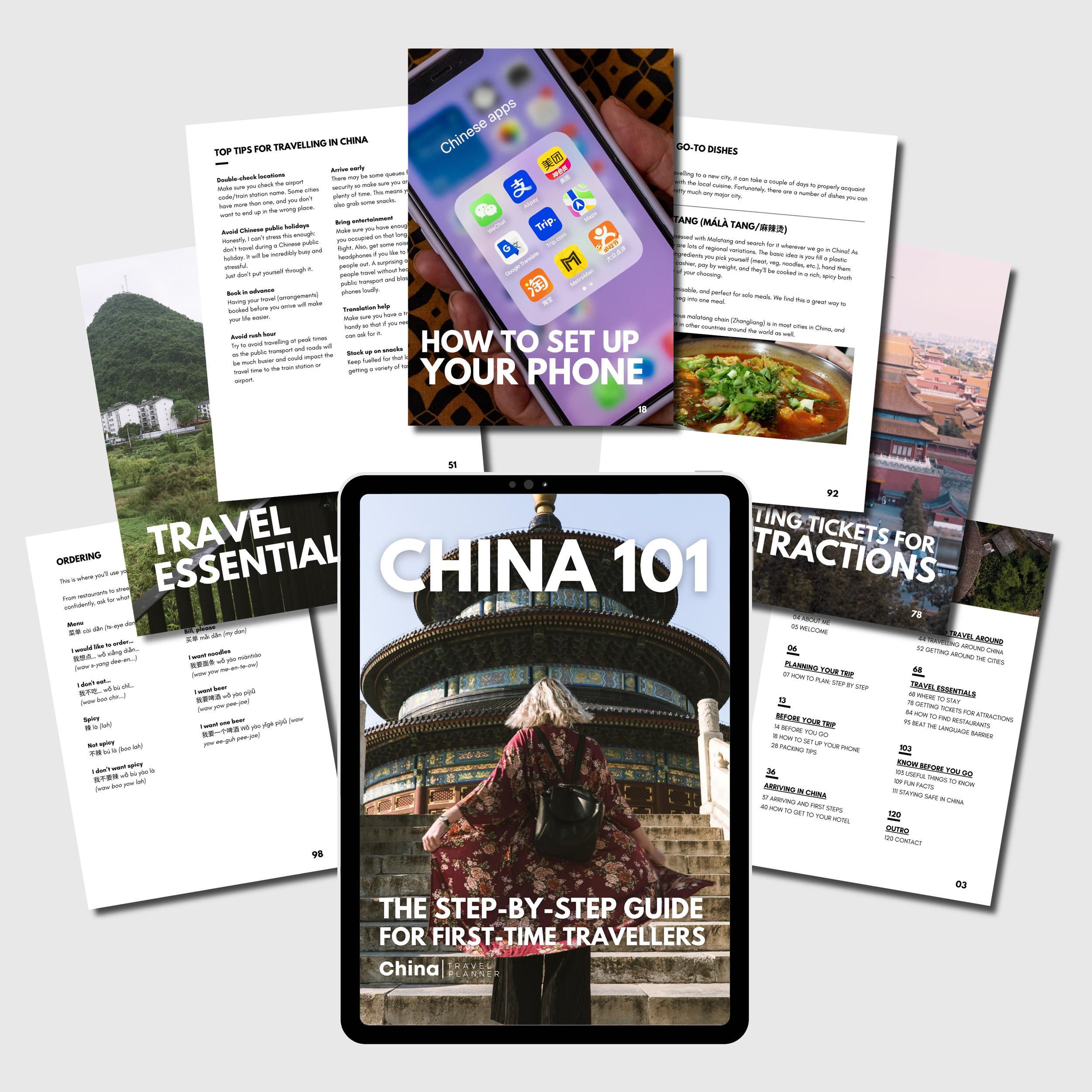
⭐ Recommended for first-time travellers
This guide has everything you need to know!
✅ Arrival Essentials
✅ Getting Around
✅ How to Set Up Your Phone
✅ How to Find Restaurants
✅ Safety & Scams
✅ Hotel Booking Tips
Do I need a visa to enter China?
The visa rules are constantly changing, so make sure you check the requirements for your country before you go.
In the past year, China has implemented some new rules so that it is easier for travellers who are coming for a short period of time to travel in China visa-free. It has also given residents of some countries 30 days visa-free.
Unfortunately, the countries are limited, so for most people, if they want to travel in China, they will need a visa. Check your embassy for the most up-to-date information before you travel. Leave enough time and budget in your plans to get a visa. If it turns out you don’t need one, then hurray, you saved some cash to spend on some delicious food instead!
Check out this post for the full breakdown and rules for the visa exceptions!
When is the best time to visit China?
All year!!! Seriously, though, it depends on what you want from your trip and the regions you want to visit. China is both the hottest and coldest place I have ever been, so you really do need to do your research.
Check out this post for a more in-depth answer, but I would generally say Spring and Autumn are the nicest times to go, for most places around the country.
One warning, though, the worst time to go is around the public holidays. Especially Golden Week in October. Avoid at all costs, you have been warned!


Is China safe for tourists?
I have travelled to many places around the world, and China is one of the safest places I have been to. I never once felt unsafe the whole time I was living there. As a woman, I could walk on my own in the dark, and I didn’t feel scared.
You can leave your laptop out in a café and go to the bathroom and come back, and it would still be there. You can walk around with your mobile in your hand, and it won’t be snatched.
People are usually really friendly and intrigued by foreigners. You might feel a bit of a celebrity with people coming up to you and trying to talk to you or take your picture. Don’t worry, this isn’t a scam. Some Chinese people are just not used to seeing foreigners and want to chat.
As with any destination, there are always a few bad eggs, so be cautious of pickpockets in crowded areas and ensure you have travel insurance in case of emergencies.
Check out this post for a more in-depth answer.
What is the best way to travel around China?
If you are travelling a long distance, say Beijing to Guangzhou, then I would recommend taking a flight. There are many airlines in China, but unfortunately, they aren’t as cheap as some European budget providers. Check their luggage regulations as we have been caught out once or twice but generally, they aren’t too strict.
If you are travelling shorter distances, then I recommend taking the High Speed train. China’s rail network is vast and efficient, and can get you to big destinations in a few hours. The trains are more spacious than a flight, and you can sit back and watch the countryside whizz by before your eyes.
If you are feeling really adventurous, then you could save some money by taking a sleeper train.
Check out this post to learn about all the different train options to suit your budget.
You can book trains, flights and even hotels from my favourite website for China travel.

What is the best way to travel around a city?
China’s public transport system is amazing in the major cities. Your hotel will no doubt be near a metro line, which can whisk you away to the sites you want to see.
Check out this post to see how to use the metro system
I think the best way to see a city is to soak it all in at street level. If you are able to walk, then I would try as much as possible. You get to see so much local life, and you can save spots to visit again.
In flatter cities like Beijing and Shanghai, I would recommend getting a bike to cycle around the city. Be careful in Shanghai, as there are some streets you can’t cycle down, and you may get a ticket. I wouldn’t recommend this in Chongqing as the city is so mountainous that cycling would be hard.
Make sure you get Alipay on your phone, then you can use both the bike-sharing app and the taxi-sharing app (Didi). Much like Uber, you can order a taxi to pick you up and drop you off where you need to be. This is much easier if you don’t speak Chinese, as you don’t need to explain where to go. Be aware that the driver may still call you when they have arrived, but there is a text translation service on this app that you can use.
The bus is a bit harder to navigate as the signs aren’t in English (unlike the metro), but if you have an iPhone and use Amaps, then when you search the location, it does give you options for buses. You can then hop on and pay with your phone for convenience.
Remember, Google services don’t work in China, so you won’t be able to use Google Maps without a VPN, and even if you can, it isn’t very up-to-date.
Planning your first trip to China?
If you want a step-by-step guide to setting up apps, booking trains, finding restaurants, and navigating China confidently, my China First Timer Guide walks you through everything you need to know.
Do I need to speak Mandarin to visit China?
If you are travelling to any country around the world then it is always useful to learn a few basic phrases to get by. It’s respectful to the locals and helpful to you.
English isn’t widely spoken, especially in more rural areas, but if you are in a big city or touristic area, then you might find some English speakers.
Chinese people are very patient and happy to help. Download an offline translation app so you can use it if you need to.
Download an app that also translates from pictures so that you can use it for ordering at restaurants.
What currency is used in China, and can I use credit cards?
China uses RMB and is mostly a cashless society. You will find that even street sellers have a QR code for you to pay with your phone. Don’t stress, though; all places still accept cash if you need to pay with cash. I would also carry some small bits of cash in case your mobile transactions don’t work.
You can use the ATM machines at major banks in the cities, just check to see if your card will be accepted, as most Chinese use UnionPay instead of Visa or Mastercard.
I recommend downloading Alipay or WeChat so that you can link your foreign card to pay. I use a travel card so that I don’t get charged for each transaction.
I book my big ticket items like hotels, trains and flights using my card online so they are paid for in advance. Most places don’t have card machines as this stage of payment was kind of skipped in China. It went from cash to mobile. You should be able to pay by card in hotel chains but as I said better to pay in advance just in case.

How do I access social media in China?
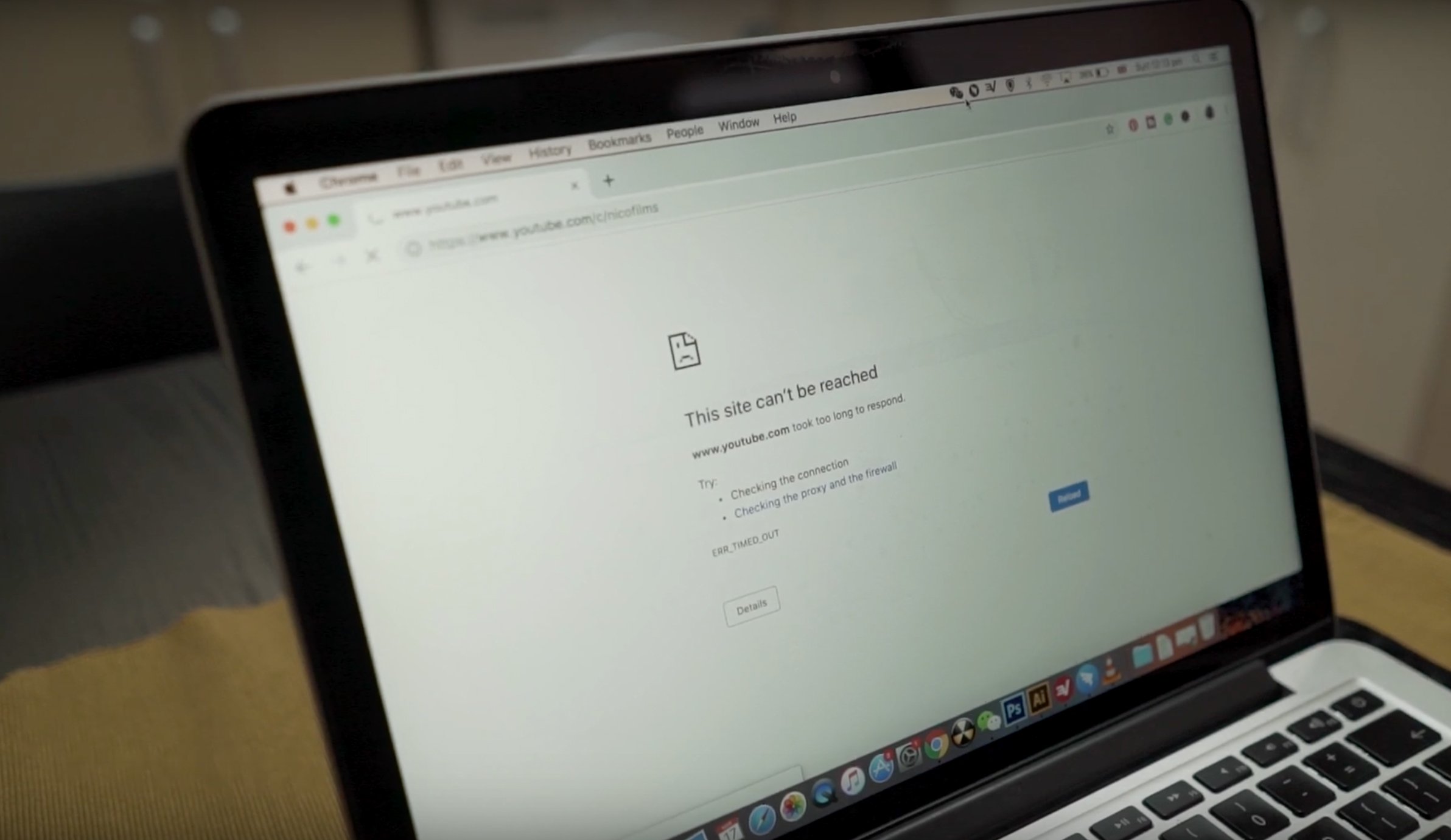
If you plan to access websites like Google, YouTube, Facebook, and in some cases, your email, then you'll need a VPN, as these sites are blocked in China.
Make sure you download and set up your VPN before arriving, as many VPN websites are also blocked in China. You will also need to make sure you have it on any devices that you will use the internet on, phone, laptop, iPad, etc
You can pay for a few different options or risk a free one. Not all VPNs work all the time, so you could still face a frustrating time while you are there.
Check out this post to see your options and for more advice.
If you decide to get an eSIM for your phone, then this should come with a built-in VPN. If you want to use social media and Google on other devices, then you will still need a VPN for your laptop.
How can I get data or the internet whilst I’m in China?
Your hotel and some public places will have wifi but to easily navigate around the cities and pay using your phone, you will need a data package.
Local SIM: When you arrive at the airport, you can get a local SIM for the duration of your stay. This will give you a temporary Chinese number and access to data. This is great if you want to order things (like food online), as you will have a Chinese number, but it is harder to set up.
Nihao Mobile: This is an English-speaking company that can deliver your SIM straight to your hotel and help you set it up. If you are planning to come to China regularly, then this is a good option, as they have a service where you pay a small amount and you keep the same number, so you can reactivate it every time you come back to China.
ESim: This is the easiest and quickest way to get data in China. This option uses data from outside of China, so you get an eSIM before you arrive, then activate it, and it should work straight away. If you are just using your mobile, then an eSIM has a built-in VPN, so you wouldn’t need to get a separate one. This is a good option if you only need data as you can get online, but don’t need a local number.
Use my code NICOFILMS to save 5% on a Holafly eSIM.
What should I pack for my trip to China?
The same things you would pack for any trip. Adaptors, battery packs, comfortable shoes, etc.
Don’t worry, I have a FREE China Travel Checklist, which can help you with all your packing needs.
When walking around a city, I always keep a few things in my handbag:
A battery pack and cable - so my phone is never out of battery.
An umbrella - useful for rain or shade.
Toilet paper/tissues – not all bathrooms have it, so better safe than sorry.
Some cash – In case my mobile payments stop working.
Passport – A lot of tourist sites require this to enter - especially in Beijing.
What is the food like in China, and are there vegetarian options?
Chinese cuisine is incredibly diverse; each region has its own distinct flavours and delicacies. In major cities, you will also find food available from all around the world. But as you are in China I would recommend trying the local dishes.
You will find vegetarian options available in most restaurants. Do be careful though as even some vegetable dishes might be cooked with meat.
Learn the phrase "I don’t eat meat" (wǒ bù chī ròu, 我不吃肉) as most food in China is made to order the chefs can alter the dish slightly so that it fits your needs.
You will find many Buddhist restaurants in China where it will be totally vegetarian.
You can also follow my friend Alex who is “Vegan in China” on Instagram she shares all her vegan finds to help you.

What vaccinations or health precautions should I take?
Make sure you are up to date with your regular vaccinations. The only extra one you could consider would be to get a vaccine for Japanese Encephalitis.
If you take regular medication, then make sure you have enough for the duration of your trip and check it is allowed in the country. For instance, medicine with CBD oil is banned in China.
Some Western medicine is harder to find, so I would stock up on paracetamol and Ibuprofen. There are many Chinese alternatives that are available to buy over the counter.
As with any trip abroad, I would recommend getting health insurance, as you never know what might happen.

Feeling overwhelmed planning China?
If you have loads of burning questions, I offer personalised China trip planning calls to help you:
Turn ideas into a clear, doable itinerary
Navigate with confidence
Plan transport and travel days realistically
Create a trip that fits your interests