
Best VPN for China (2026): Do You Need One & What Actually Works
One of the most frequently asked questions I get about China is ‘Do you need a VPN?’
First up, let me explain to you what that is, if you didn’t already know. A VPN (Virtual Private Network) allows you to access the internet as usual while keeping your connection private and secure.
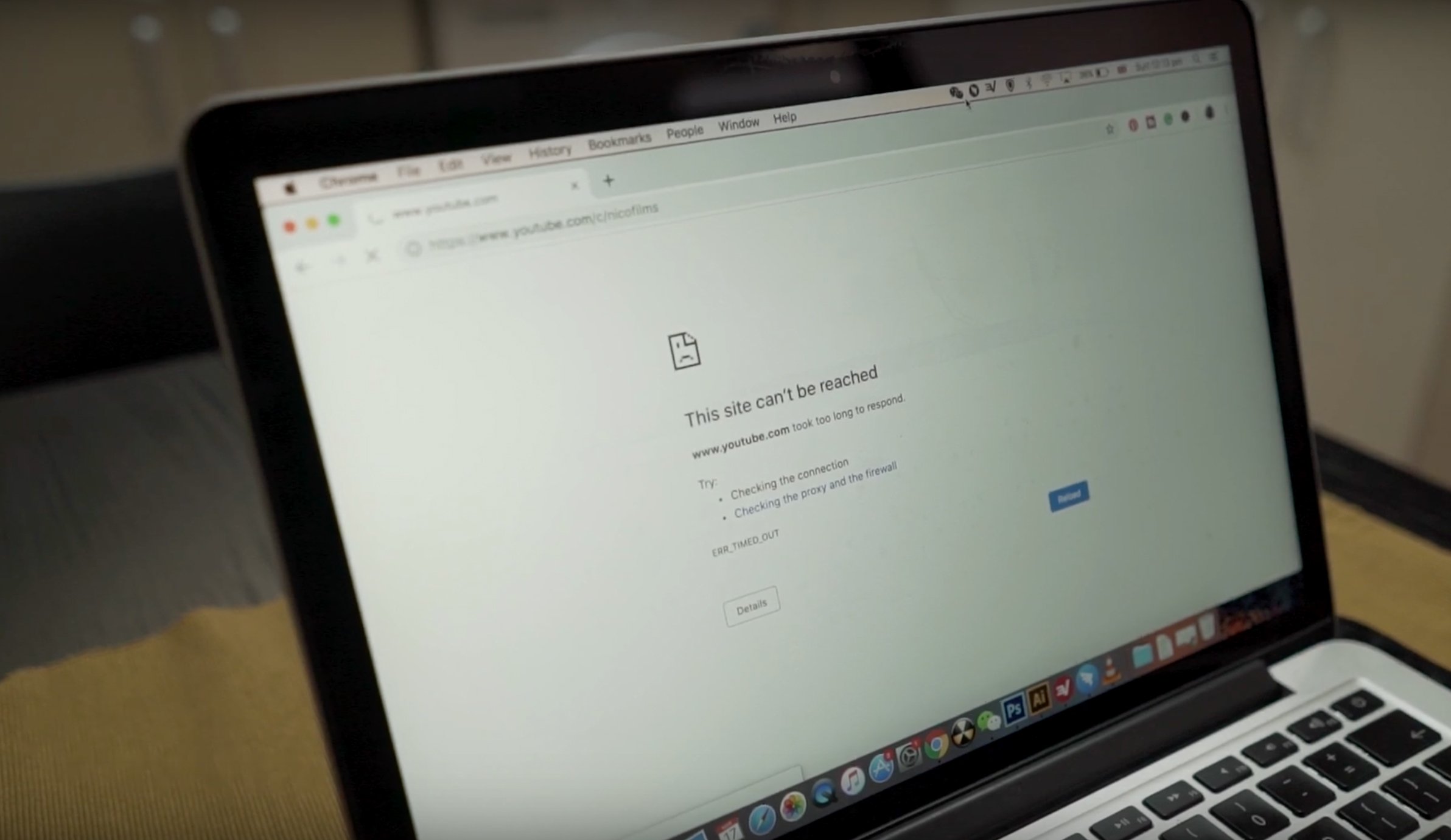
If you're travelling to China for the first time, you've probably heard about the “Great Firewall.” Many popular apps and websites — including Google, Instagram, Facebook, WhatsApp, YouTube, Gmail and certain news sites don’t work in China.
Having a VPN installed means that you can use it to access these apps and websites on the devices you have the VPN installed on.
So, yes, you do need a VPN in China. But not all VPN’s are created equally and a lot of them don’t always work. Here is a quick guide to help you stay connected whilst travelling in China.
China travel can feel complicated at first.
From VPN’s to setting up apps, booking trains to navigating cities, there are a lot of things that work differently in China.

The Best VPN for travelling to China in 2026
My go-to VPN if you are travelling in China for short periods of time is LETSVPN. I have used this the past few times that I have visited China, so it is tried and tested! It has been consistently good, and I have never lost connectivity. LETSVPN is designed for the Chinese internet environment, unlike many Western VPN’s which get blocked.
Key features:
Great for short-term travel in China as you can choose different packages from 1 week to 1 year for a low price.
No contract so you can just buy it when you need it for however long.
Connects to 2 devices so you can use it on your phone and laptop.
Easy to use and set up.
Enter my ID: 134647702 after the installation to get an extra 3-day membership for free.
Download and set up your VPN before you arrive in China.
Once you’re in China, VPN websites and app stores are blocked.
Before your trip:
1. Download Let’sVPN on your phone
2. Buy a plan
3. Log in and test that the app connects
4. You are set to go when you arrive. Connect to wifi or data, open the app and press the VPN on.
5. Your apps and websites should work seamlessly
Alternative VPN’s
Other VPN’s will claim they work well in China and often be quite expensive, so don’t be fooled. Brands like ExpressVPN, Astrill, Surfshark, and NordVPN are often recommended online, but their performance inside China is inconsistent, with some not working at all.
When I lived there, my go-tos were Express VPN and Astrill. Since leaving, they have both gone downhill, with Express hardly working and Astrill being quite patchy and expensive for short periods of travel. If you already use a VPN and have it installed, then you could always give it a try in China, but be warned, you might have to pay for another.
If you are planning on staying in China for longer or moving there, then I see the more expensive VPN’s as an investment. You don’t want to lose connectivity, so we always had two installed so that if one didn’t work, we always had a backup. If you visit China over a public holiday or a sensitive time of year, then your VPN might not work around this time, or be very slow at connecting.
Pros:
Connect to more devices
Cons:
Can lose connectivity
The Internet can be slower
Packages can be expensive, but not always work

Thinking about visiting China?
Why not come with me?
I’ve spent almost a decade living and travelling in China, and I’ve put together two tours to show you the places and experiences I love most.
Take the stress out of planning and just enjoy the adventure.
ESIMs With Built-In VPN
A great alternative if you only need to use your phone whilst travelling is to get an eSIM. An eSIM usually has a built-in VPN, which means that once you activate your eSIM, your phone should work exactly how it does in your home country. This is great if you are already buying an eSIM, as you need data to travel. This means you don’t need to spend more money getting a VPN, as it should work.
Pros:
Easy to install.
Works as soon as you land.
Can use your phone just like at home without having to use a different app.
Great for short-term travel if you are already buying data.
Don’t need to waste time getting a traditional SIM card when you arrive in China.
Cons:
Only works on your phone, so you won’t be able to use your other devices (laptop, iPad, etc) without getting a separate VPN or using a hotspot from your phone. This may be slow or rinse your data unless you get an unlimited data package.
If you use public wifi instead of the eSIM data package, then the VPN won’t work.
Not all phones are compatible.
There are many different eSIM options; some of the best are:
Holafly - Get a 5% discount with my code NICOFILMS
If you don’t think you will use any of these Western apps, then you won’t need a VPN, but for many people, they are a part of daily life. There are also lots of Chinese apps which work well without a VPN, and these will be very useful for your travels.
Some Chinese apps which work well without a VPN are:
WeChat - for payments and messaging
Alipay - for payments and travel
AMap - for maps and directions
Trip.com - for hotels, trains and attractions
Dianping - for restaurant recommendations
Rednote - Chinese Instagram
Check out THIS blog post to learn more about these Chinese apps.
So, make sure you are prepared for your trip to China by installing a VPN or an eSIM with a VPN.
First time in China?
If this article helped, then my China Guides will save you hours of planning.




Everything you need to know before you land - from trains and apps to safety and hotel bookings - explained clearly for first-time travellers.
Planning China travel can feel confusing:
• How do you book trains?
• Will Google Maps work?
• How do you pay for things?
• Is it safe?
• What if something goes wrong?
If you’re worried about making mistakes or missing something important - this guide gives you clarity, structure and confidence before you even step on the plane.